3 hr
Rhino Tracking Safari & Game Drive
Track endangered rhinos on foot and spot wildlife from an open vehicle on this thrilling bush experience
Reserve
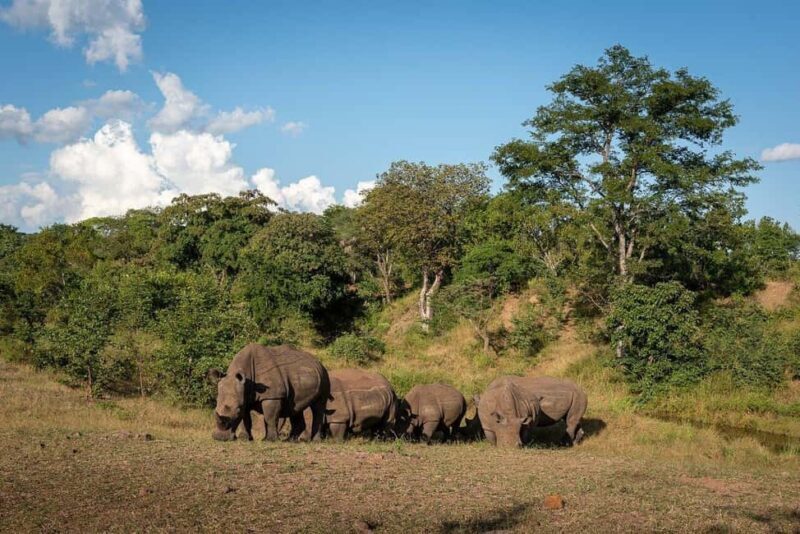
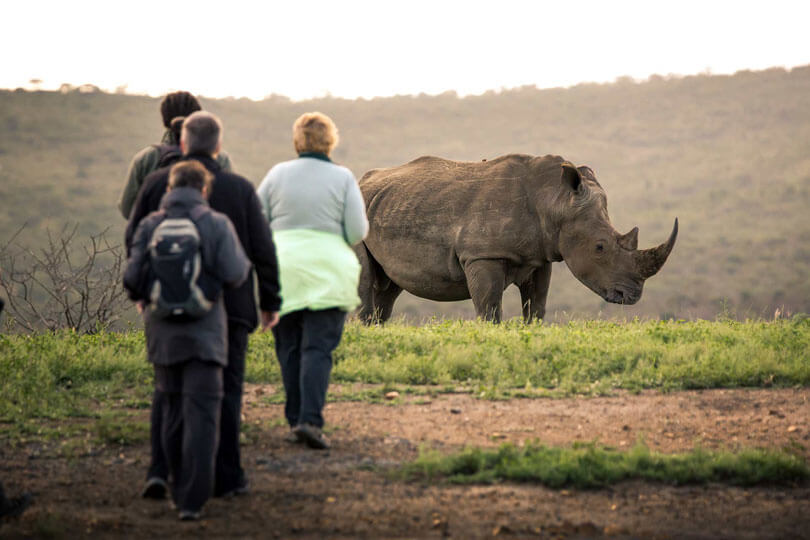
Walk beside southern white rhinos at dawn, where conservation meets the Zambezi.
Hand-picked by our editors — only the best 3 rhino tracking experiences from 12 reviewed.
Verified partners for Rhino Walk Livingstone tours, free cancellation where available, and instant confirmation on every booking.
3 hr
Track endangered rhinos on foot and spot wildlife from an open vehicle on this thrilling bush experience
Reserve
2 hr
Explore Zambia's pristine wilderness on a guided 4x4 game drive and walking rhino encounter in Livingstone
Reserve
3 hr
Track endangered rhinos on foot with armed rangers, then explore riverine woodland by 4x4 in Mosi-oa-Tunya
ReservePrices from verified partners. Availability updates in real time at checkout. Free cancellation policies apply where shown.
Every Rhino Walk Livingstone tour side-by-side — duration, what's included, how you redeem.
| Experience | Duration | Rating | Transfers | Pickup | Guide | Free cancel. | Price | |
|---|---|---|---|---|---|---|---|---|
|
Standard Entry Most popular
Rhino Tracking Safari & Game Drive
|
3 hr | ★ 4.6 | ✓ | ✓ | ✓ | ✓ | €47 | Book → |
|
Standard Entry
Mosi-oa-Tunya Safari Drive & Rhino Walking Experience
|
2 hr | ★ 4.7 | — | ✓ | ✓ | ✓ | €61 | Book → |
|
Standard Entry
White Rhino Walking Safari & Zambezi Game Drive
|
3 hr | ★ 4.6 | ✓ | ✓ | — | ✓ | €65 | Book → |
All prices from verified partners. Availability and exact terms confirmed at checkout.
The walking safari offers a sensory connection to the wilderness, while the vehicle safari provides a relaxed way to view the Mosi-oa-Tunya park landmarks. Choosing between these activities depends on whether you prioritize intimate ecological observation or extensive territory coverage.
| Feature | Top pick Rhino Walk | Game Drive Safari |
|---|---|---|
Physical exertion |
Moderate walking required | Sedentary experience |
Proximity to animals |
Very close encounter | Safe viewing distance |
Terrain coverage |
Limited to specific paths | Extensive park exploration |
Vehicle comfort |
None | High with seating |
Tracking opportunities |
Guided by spoor detection | Visual spotting from height |
Environmental impact |
Minimal footprint | Vehicle emissions and noise |
| See tickets → |
Verdict: Opt for rhino walk livingstone tours to experience raw tracking dynamics, or select a game drive for comfortable group wildlife viewing using rhino walk livingstone tickets if you prefer panoramic vistas.
Choose your ticket, select your date, and reserve in under two minutes. Secure checkout handled by our verified partner.
Instant confirmation by email, with a mobile voucher you can save offline. No printing, no queuing at a collection desk.
Arrive at the entrance, show your voucher on your phone, and walk in. Most tickets include priority or skip-the-line access.
Practical details for Rhino Walk Livingstone tickets straight from our verified partners — hours, access, rules, and how to get there.
Livingstone, Zambia
Main entrance for rhino walk livingstone tours
Open in Google MapsDirect transfer from Livingstone town center to the park entrance
Private hire vehicles can drop you at the designated park parking area
Wear neutral-colored clothing to blend into the environment and avoid bright patterns. Sturdy, closed-toe walking shoes are required for the terrain found during a rhino walk livingstone excursion.
Only small daypacks are permitted during the wildlife tracking sessions. Security checks may occur at the Mosi-oa-Tunya National Park entrance to ensure prohibited items are not carried into the bush.
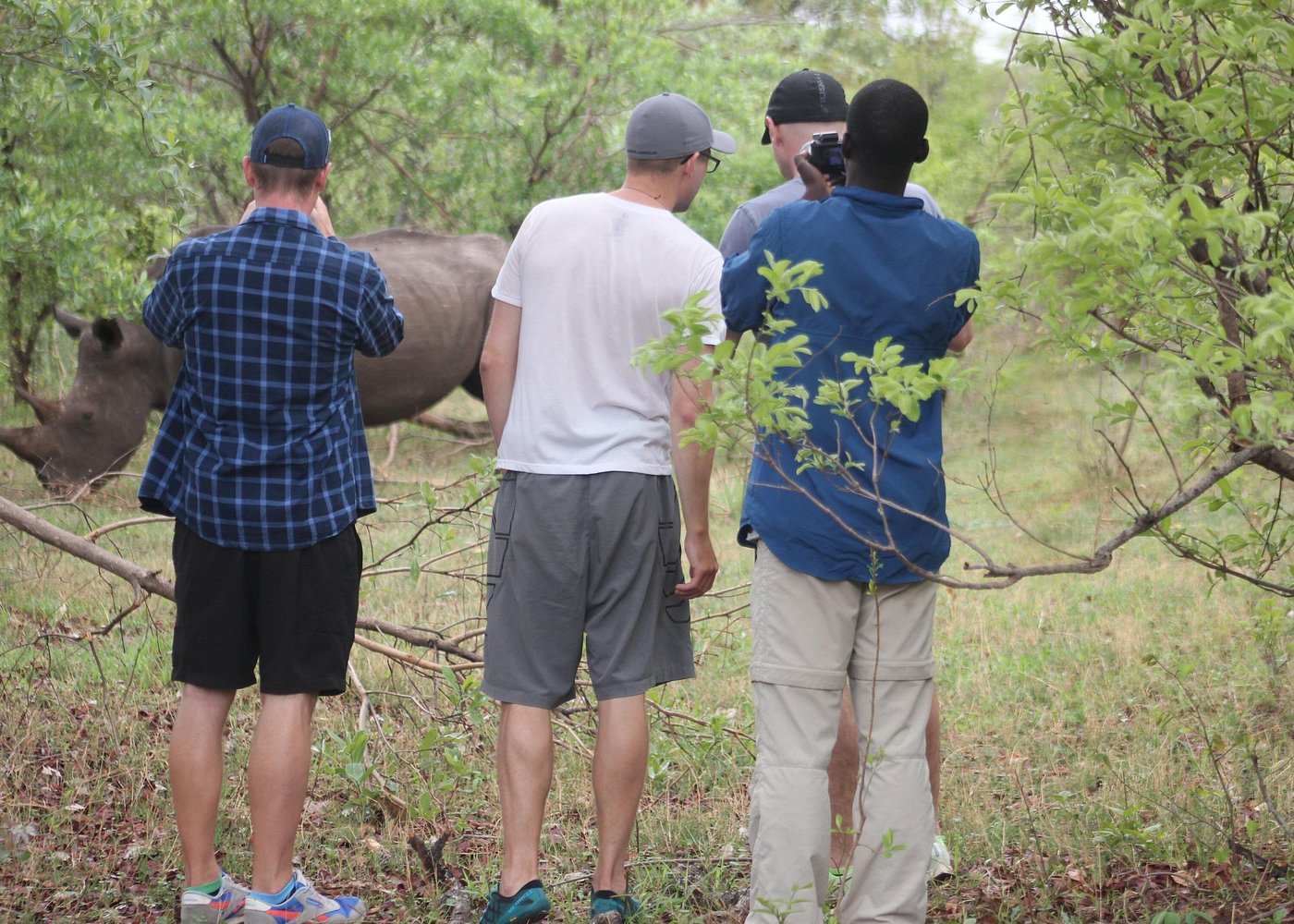
Photography is permitted, but flash usage is strictly forbidden near animals. Capture your rhino walk livingstone experience with telephoto lenses to maintain a respectful distance from the wildlife.
The experience requires walking on uneven ground and through thick vegetation. It is not suitable for individuals with limited mobility or those who cannot traverse uneven natural paths independently.
Keep mobile phones on silent mode to avoid startling the animals. Signal can be intermittent within the park boundaries.
Children must be at least 12 years old to participate in a rhino walk livingstone tour due to safety protocols. A guardian must accompany all minors throughout the duration of the tracking activity.
No food or drink facilities exist on the walking trails. Carry sufficient water in reusable bottles, as hydration is vital during the rhino walk livingstone trail trek.
No pets are allowed within the national park at any time.
All visitors must sign a liability waiver before beginning the rhino walk livingstone. Rangers provide a safety briefing covering how to react if encountering large mammals.
Livingstone, Zambia
Main entrance for rhino walk livingstone tours
Get directionsBest time to go, insider tips, nearby landmarks, and the cancellation fine print — flip through to skim what matters to you.
How crowds, weather, and events shift across the year.
Cooler temperatures make this the peak season for wildlife tracking as animals congregate near waterholes.
Warmer, dry conditions provide high visibility for tracking sessions before the rainy season begins.
Small details that turn a good visit into a great one.
Follow the 06:30–07:30 arrival window to maximize your chances of spotting rhino before the midday heat.
Listen closely to your ranger as they share details about the rhino walk livingstone conservation efforts.
Break in your hiking boots before arriving to avoid blisters on the long walking trails.
Non-bookable sights within a short walk — free to visit, easy to pair.
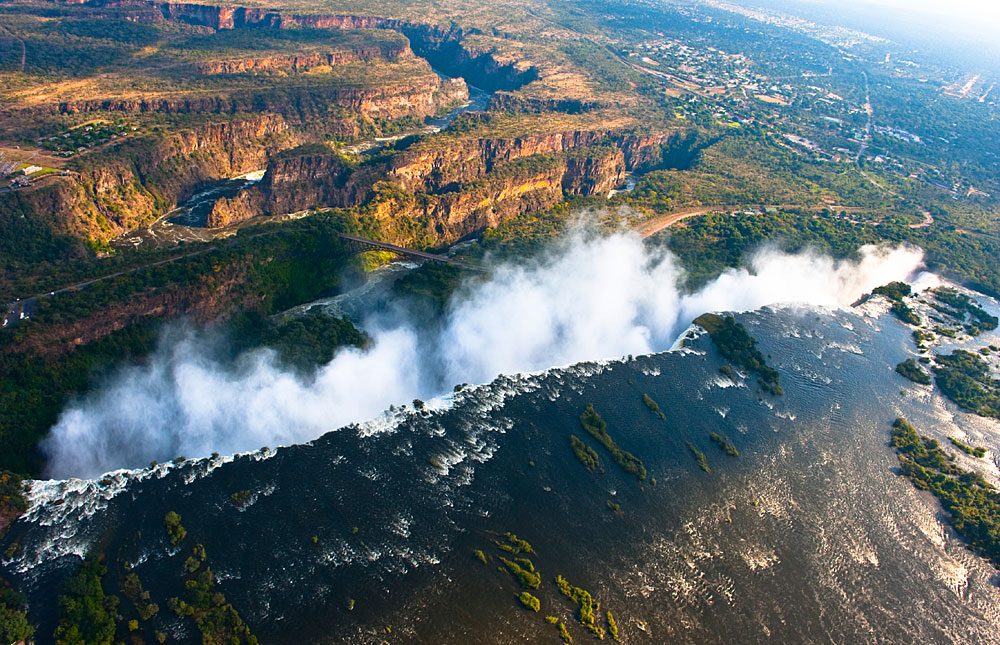
The world's largest waterfall located on the Zambezi River.
A vibrant local market showcasing regional crafts and produce.
Flexible, no hidden fees.
Cancellations made 48 hours in advance receive a full refund. The 10 USD Conservation fee per person for international visitors is typically non-refundable once processed.
Hand-picked options within walking distance — pick a district for vibe, or a specific hotel for convenience.
Located on the banks of the Zambezi River.
Family-friendly accommodation near the park entrance.
Central hub for independent travelers in town.
Mosi-oa-Tunya National Park protects one of Zambia's last free-ranging populations of southern white rhinos, reintroduced in 2008 after decades of regional extinction.
The 66-square-kilometre sanctuary sits at the northern bank of the Zambezi River, seven kilometres upstream from Victoria Falls, where grassland and mopane woodland provide browse and cover for a breeding herd monitored around the clock by anti-poaching units. Each animal carries an identity known to rangers who have tracked its movements since birth.
The rhino walk programme funds that surveillance directly. Every conservation fee underwrites ranger salaries, radio collars, and veterinary intervention when calves are threatened by predators or injury. Since the first reintroduction, the herd has grown from four founder animals to more than a dozen, making Mosi-oa-Tunya one of southern Africa's quieter success stories in megafauna restoration. White rhinos are grazers rather than browsers, cropping grass with wide square lips adapted to low vegetation, and their poor eyesight makes them tolerant of human presence at close range when approached downwind.
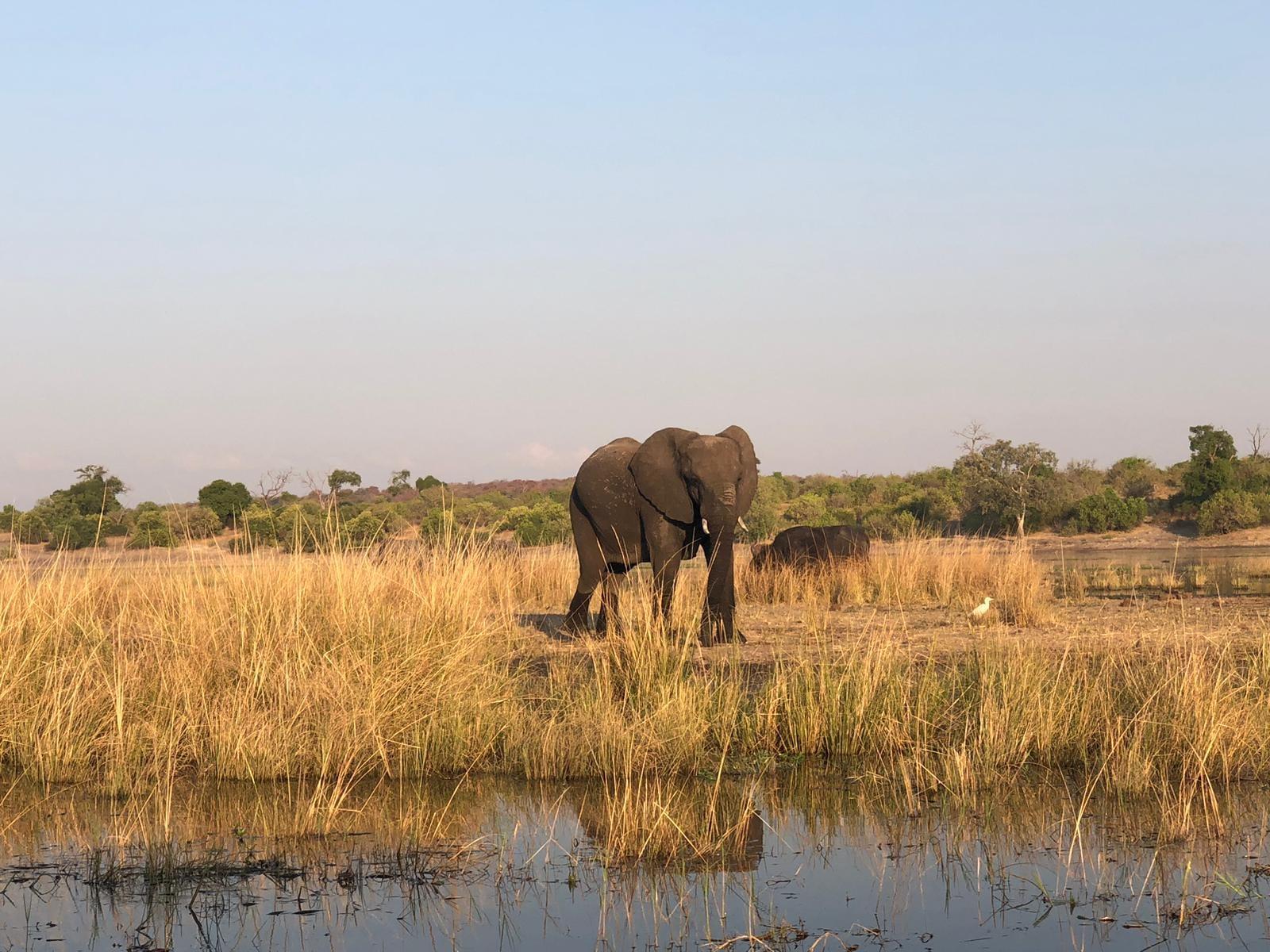
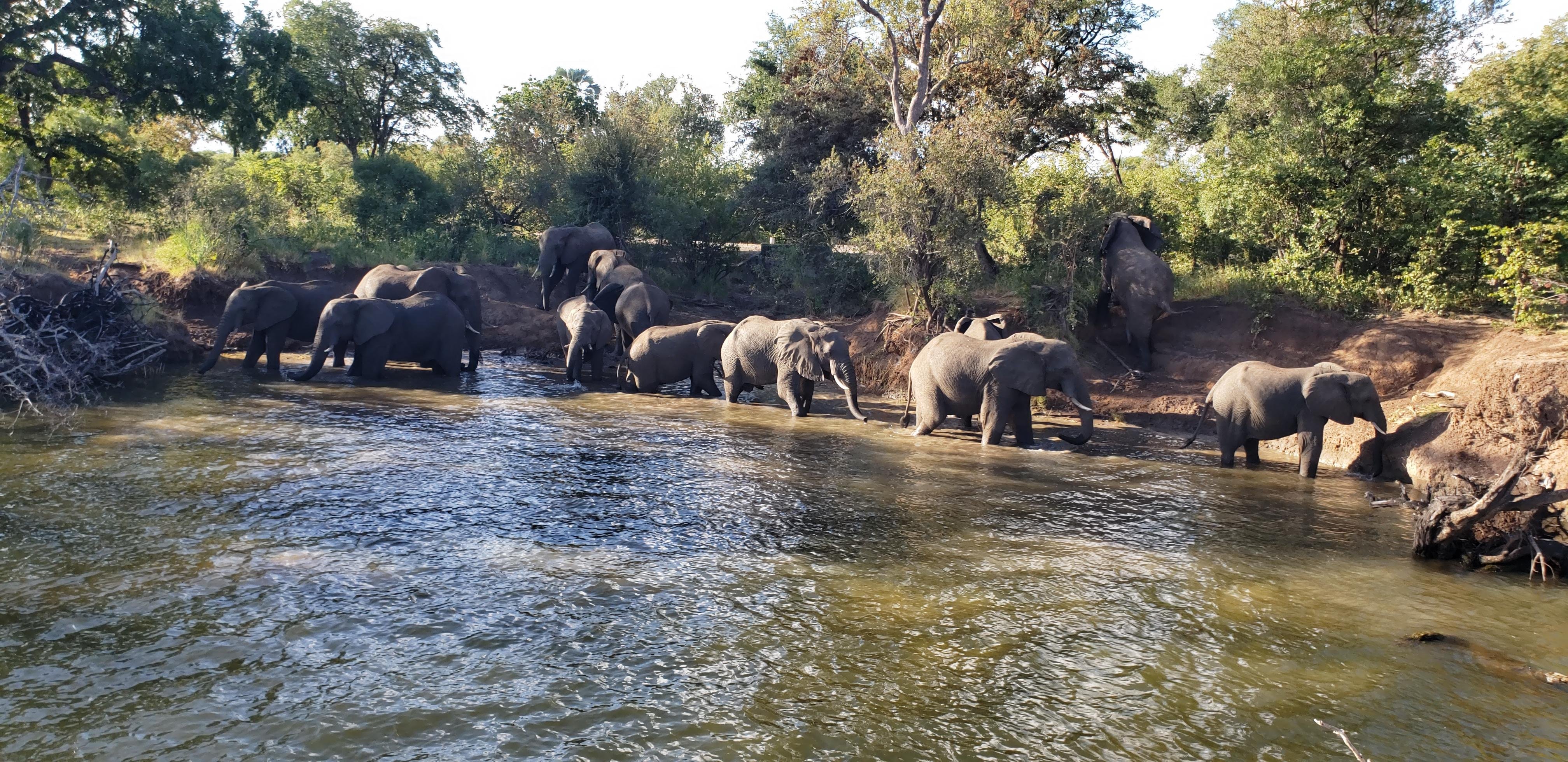
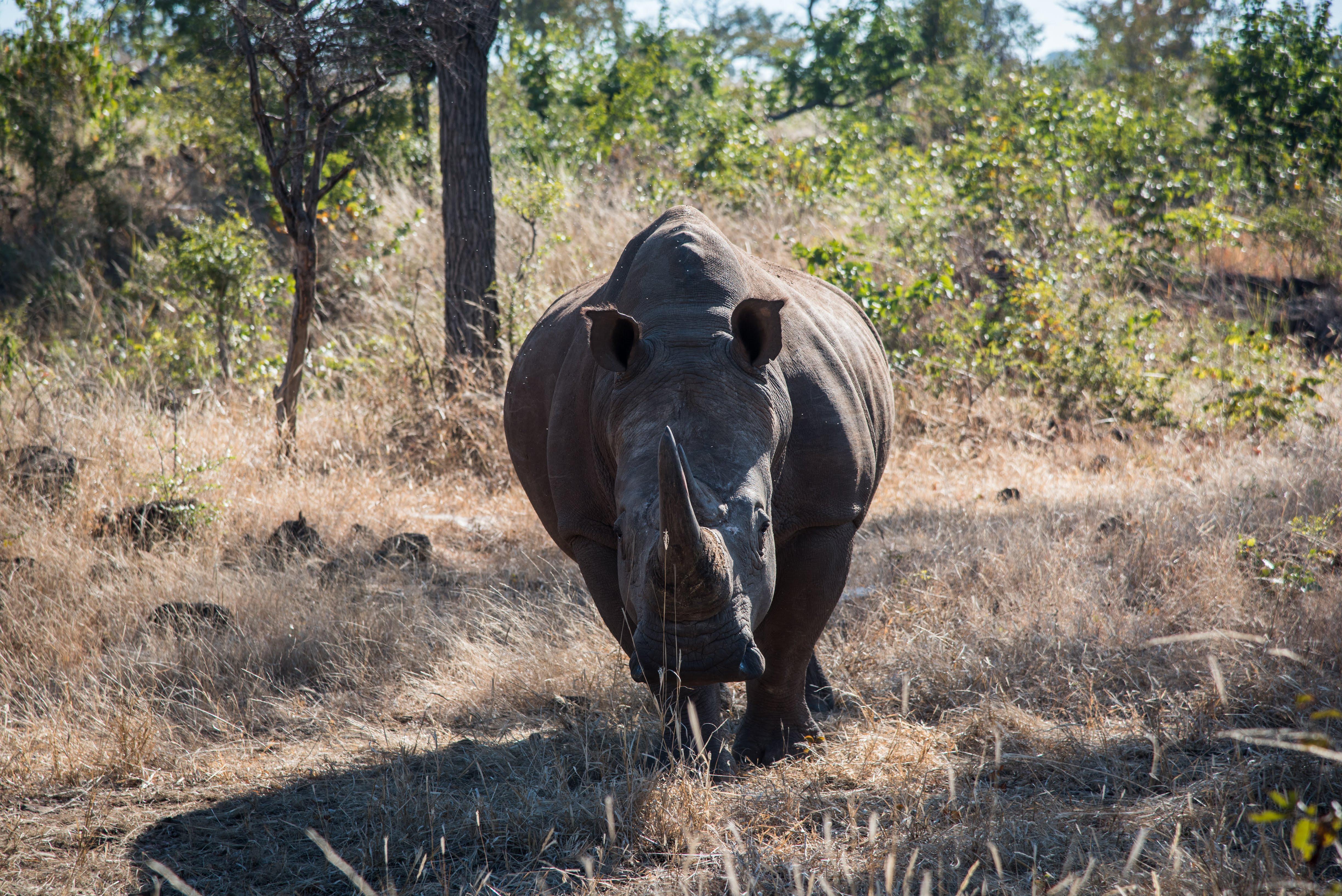
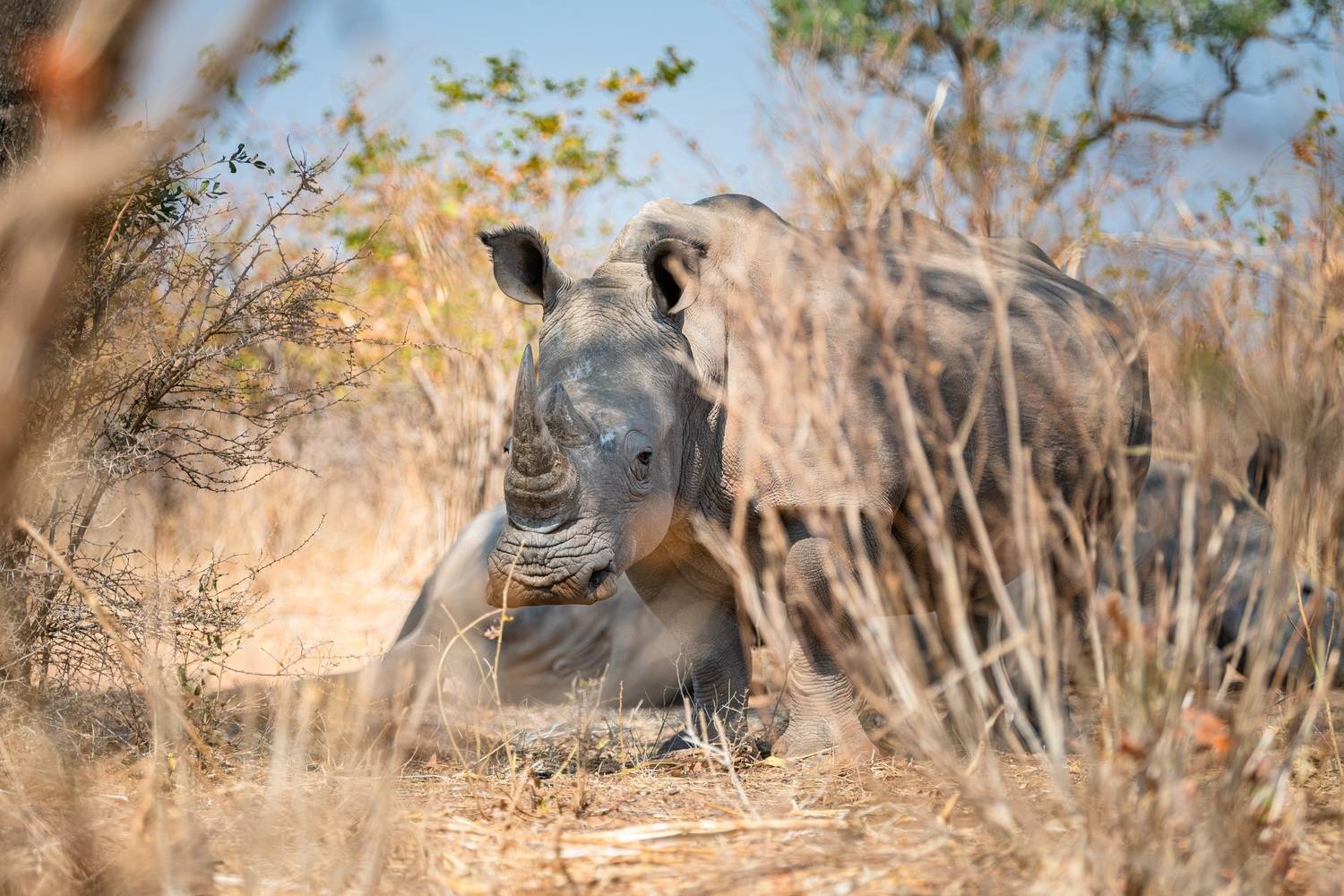
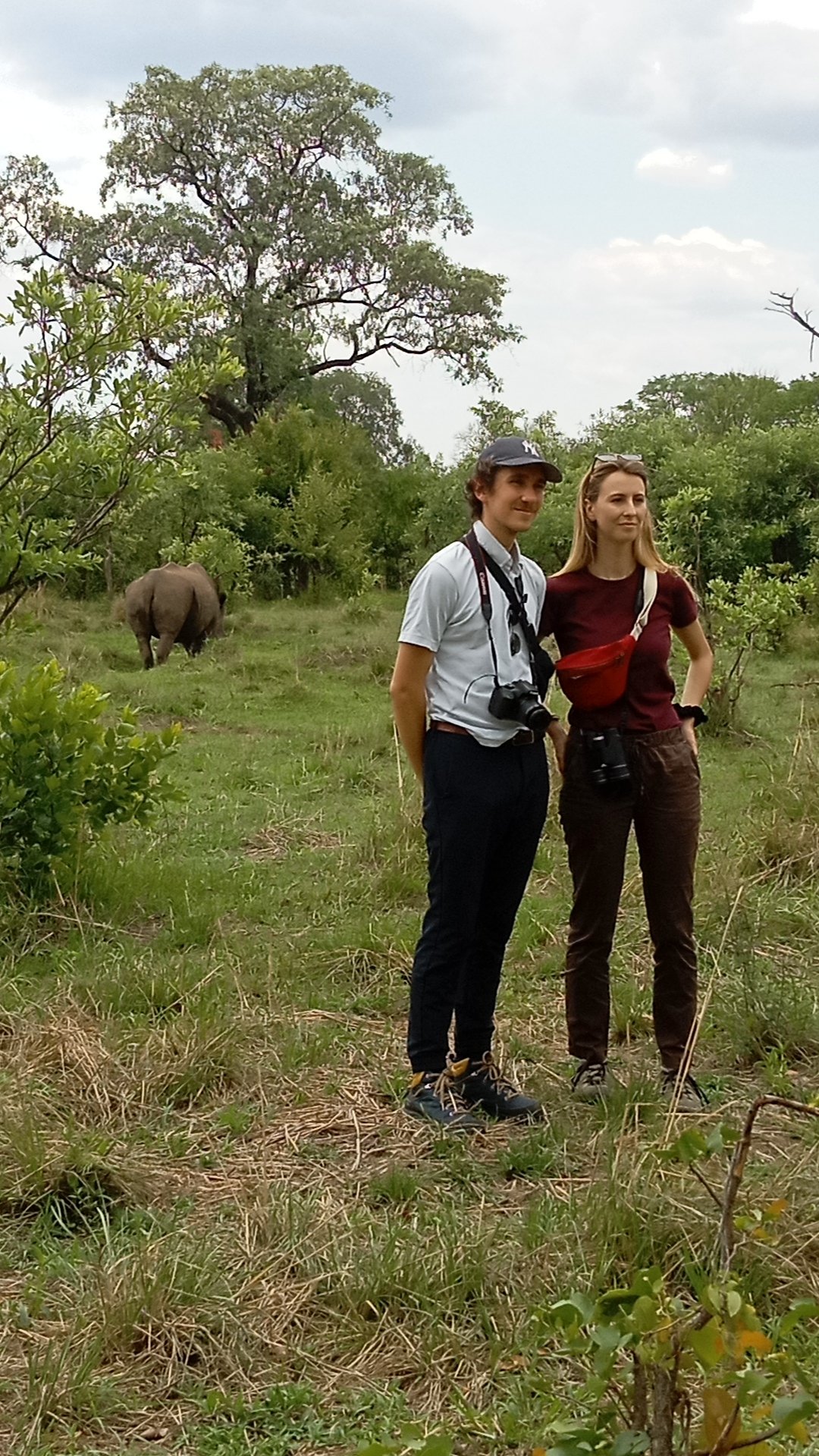
Rangers lead small groups on foot, reading spoor and dung piles to locate animals that move between the river flats and denser thicket depending on the hour and season. The terrain is open enough to permit sightings from 20 to 50 metres, close enough to hear the rasp of breath and the creak of leathery hide. Bulls weigh up to 2,300 kilograms and stand nearly two metres at the shoulder; calves stay beside their mothers for two to three years, learning grazing routes and water sources. The park also shelters giraffe, zebra, warthog, and occasional elephant, though the rhino remains the primary draw for visitors willing to walk rather than drive.
Livingstone itself has served as the gateway to this stretch of the Zambezi since the colonial rail reached the falls in 1905. The town's role as a jumping-off point for wildlife tourism expanded in the 1990s as Zambia shifted from extraction-based economies toward conservation and ecotourism. The rhino walk Livingstone experience now represents a core offering for operators based along Mosi-oa-Tunya Road, where lodges and activity centres coordinate morning departures timed to the animals' most active hours.

"Each animal carries an identity known to rangers who have tracked its movements since birth."
A step-by-step walkthrough of Rhino Walk Livingstone tickets — what you'll see, how long each stage takes, and the details that matter.
You meet your ranger at the park gate by 6:30 a.m., when the grassland is still cool and the light slants low across the Zambezi floodplain. After a briefing on approach protocol and hand signals, you walk single file into the mopane woodland, following fresh tracks pressed into red soil.
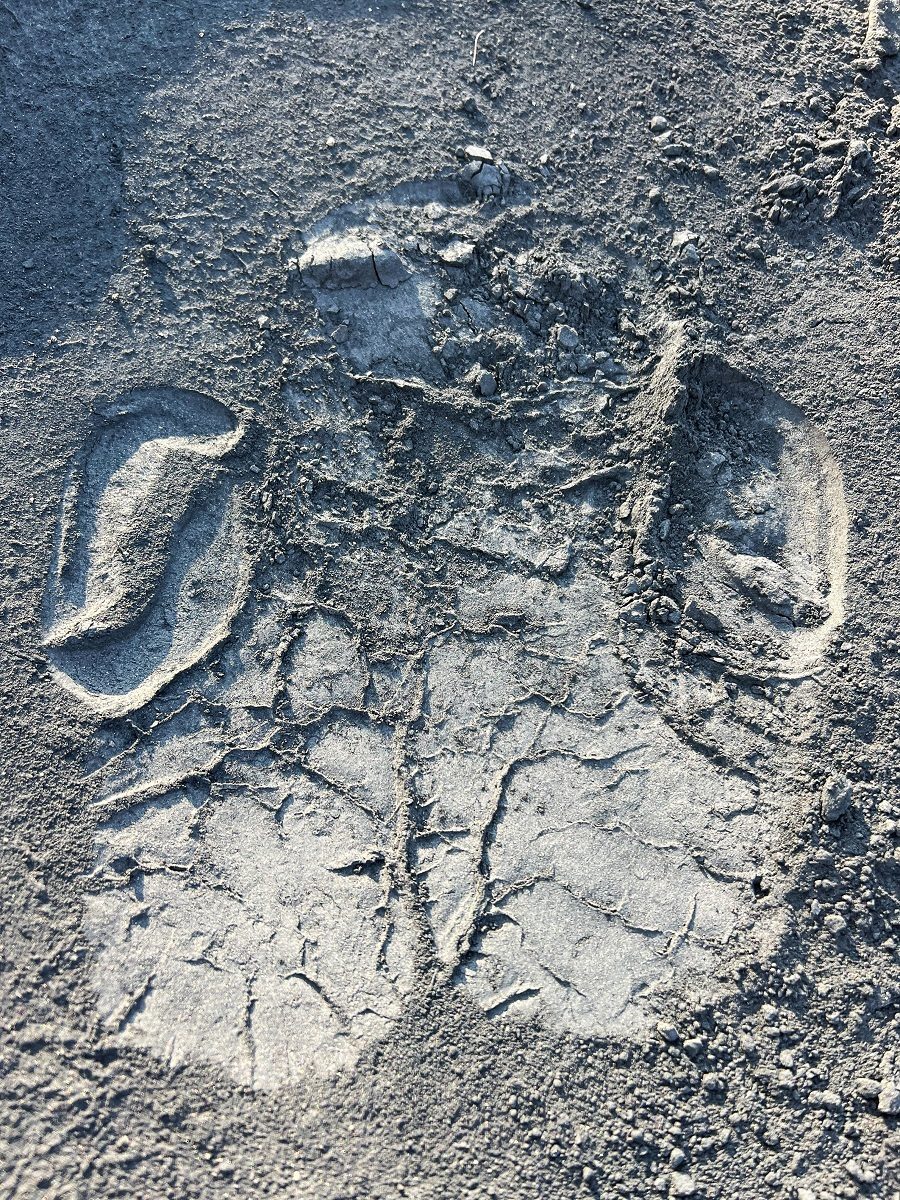
The ranger reads the spoor aloud, noting the direction of travel and the time elapsed since the animal passed.
Twenty minutes in, you catch the first silhouette: a cow and calf grazing in a clearing 40 metres ahead. You stop, crouch slightly, and wait as the wind holds steady. The rhinos lift their heads, ears rotating, then return to feeding. You edge closer, guided by the ranger's hand, until you stand near enough to hear the rhythmic tear of grass and the low rumble of the calf's contact call. The cow's horn, worn smooth at the tip from years of rubbing, catches the early sun.
You hold position for ten minutes, watching the pair move slowly across the clearing before the ranger signals retreat. The walk back takes you past a waterhole where giraffe drink, their reflections shattered by ripples, and a termite mound scarred by warthog digging. You return to the gate by 8:30, the day's heat beginning to settle over the park.
The park is open daily from 06:00–18:00.
Yes, booking your rhino walk livingstone tickets in advance is recommended to ensure a ranger is available.
The entrance fee is 10 USD as a conservation fee per person for international visitors.
Children must be 12 or older to participate in the rhino walk livingstone activity.
The best arrival window is 06:30–07:30 to avoid midday heat.
Yes, photography is allowed, but do not use flash near the wildlife.
Wear neutral-toned, comfortable outdoor clothing and sturdy shoes for your rhino walk livingstone visit.
There are no food or drink facilities, so bring your own water and snacks.
Cancellations made 48 hours in advance are eligible for a full refund.