
3 hr
Mosi-oa-Tunya Rhino Trek & Safari Drive
Track white rhinos on foot and explore wildlife-rich terrain during a sunset safari near Victoria Falls
Reserve
Hand-picked by our editors — only the best 5 white rhino tracking experiences from 12 reviewed.
Verified partners for every tour, free cancellation where available, and instant confirmation on every booking.
3 hr
Track white rhinos on foot and explore wildlife-rich terrain during a sunset safari near Victoria Falls
Reserve
2 hr
Explore Zambia's wildlife haven on a guided 4x4 safari with an optional walking rhino encounter
Reserve
2 hr
Game drive and walking safari to encounter endangered rhinos near Victoria Falls
ReservePrices from verified partners. Availability updates in real time at checkout. Free cancellation policies apply where shown.
The landmarks, rooms, and views travelers on this tour remember — all visible on a single visit.
Observe the rare white rhinos in their natural habitat with an armed guide. The population is protected by intensive anti-poaching efforts.
Visit the site where the first European immigrants were buried near the river. This historical landmark provides insight into the early colonial history of the region.
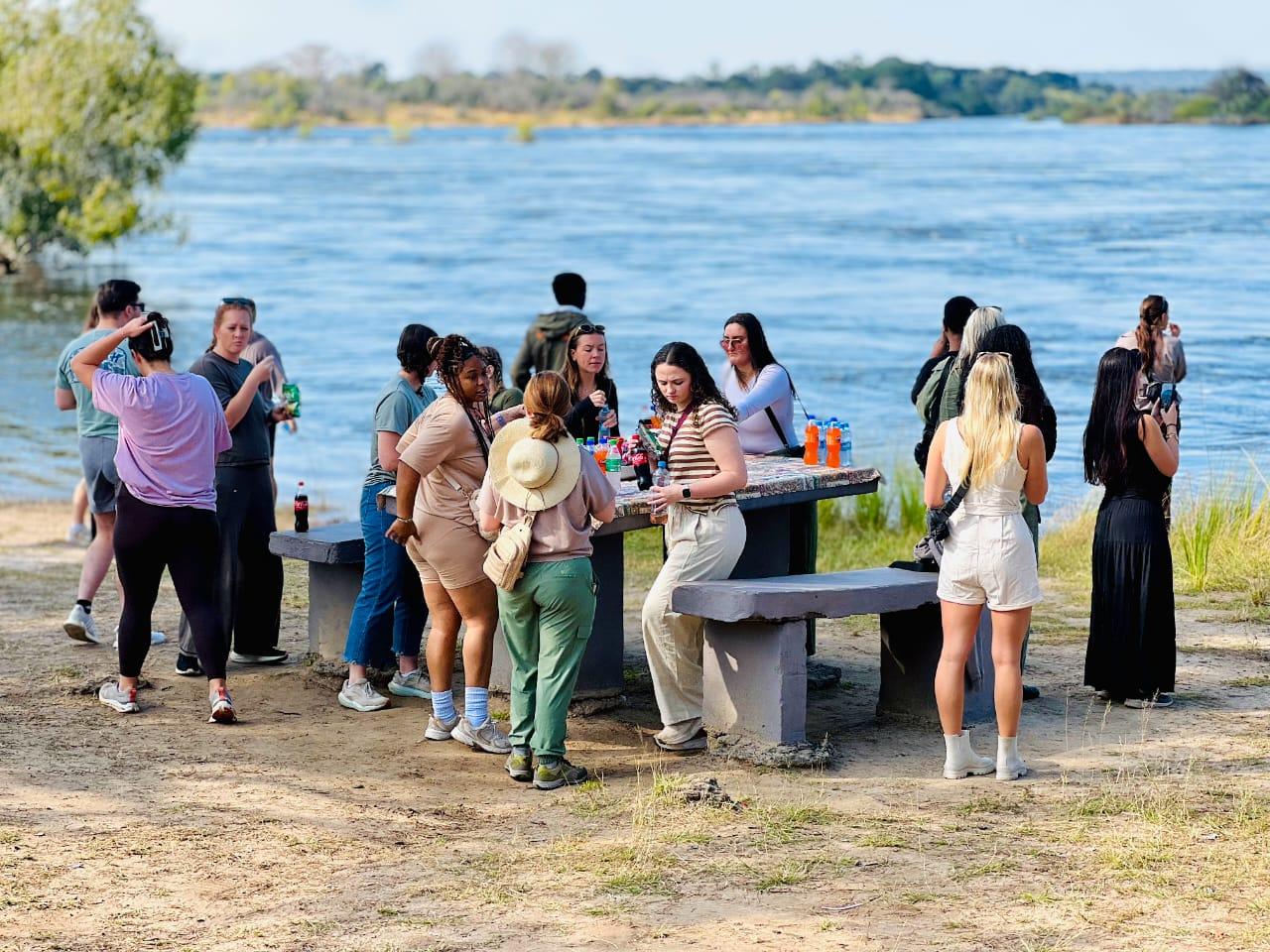
Enjoy a scenic break along the banks of the Zambezi River to spot hippos and crocodiles. The river area is a prime location for observing diverse waterbird species.
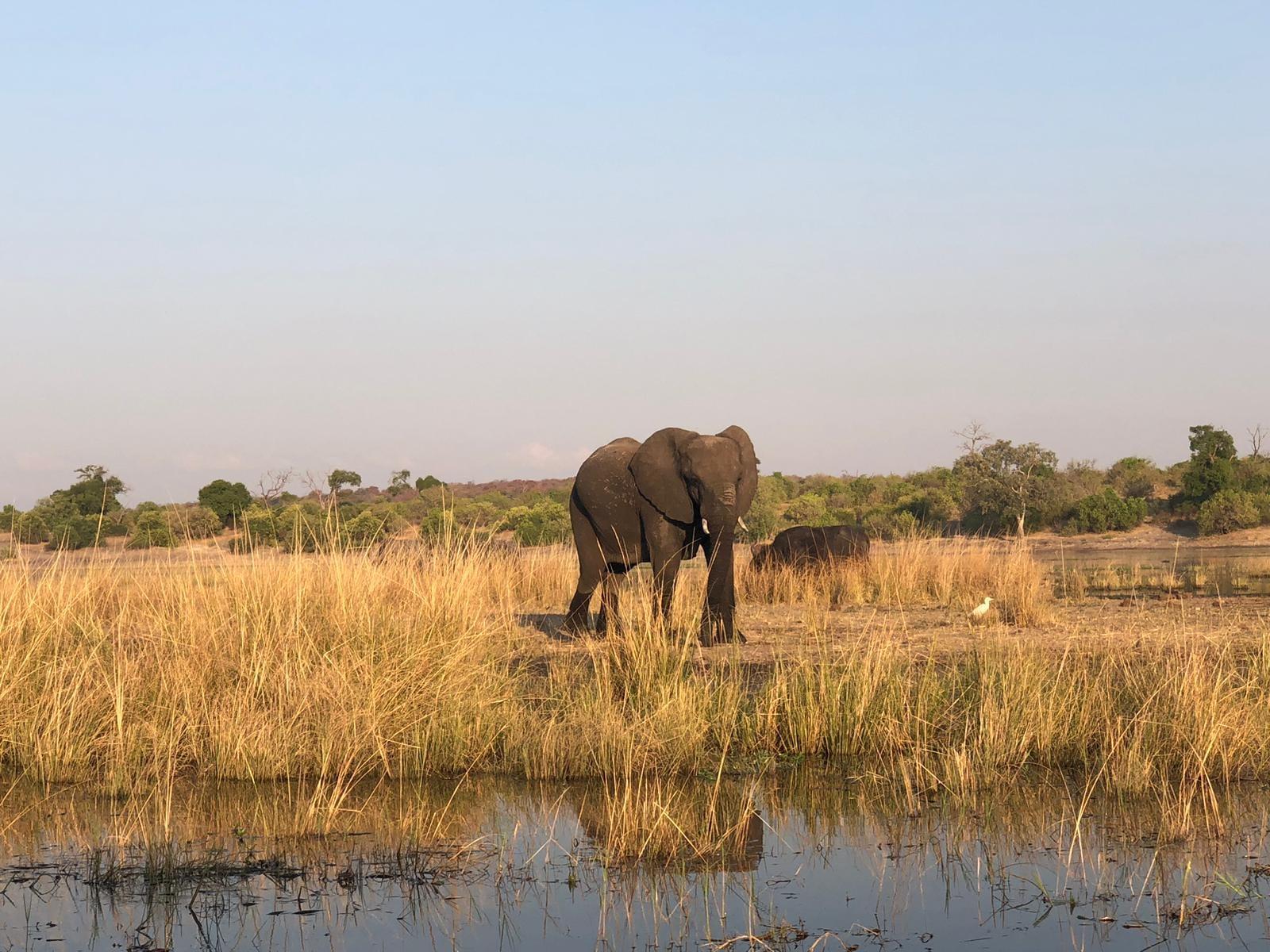
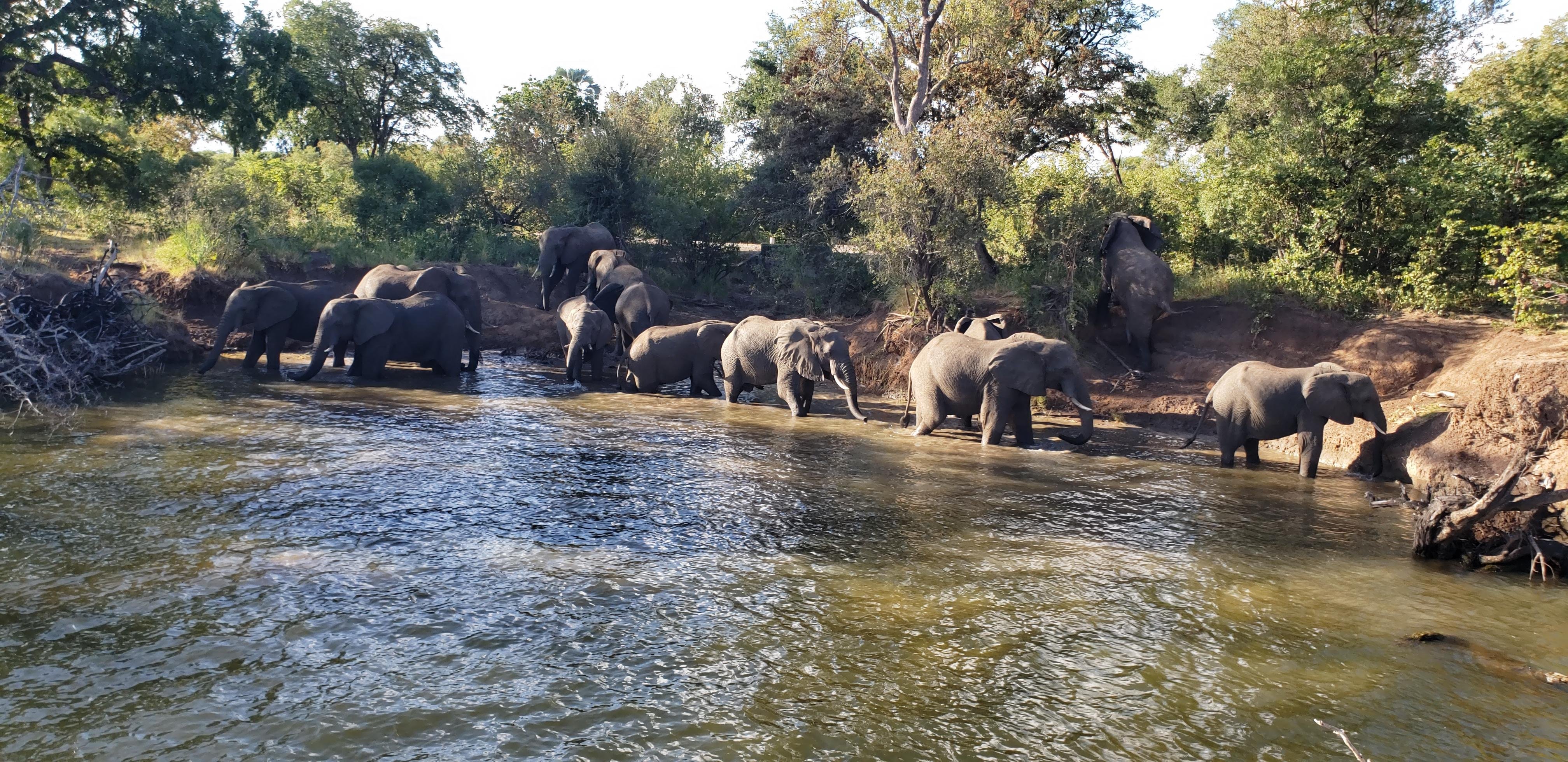
Walk through the dense mopane and marula forests that serve as a habitat for elephants and giraffes. Your guide will explain the local plant life during the safari.
Experience the serene beauty of this riverine section frequently visited by wildlife. It is an ideal spot for photography and quiet observation during your trek.
They complement each other; most visitors who do both call the rhino walking safari livingstone the more thrilling choice for ground-level interaction, while vehicle drives offer broader coverage. Selecting a rhino walking safari livingstone tour allows for intimate observation of endangered rhinos in their natural savanna habitat.
| Feature | Top pick Walking Safari | Vehicle Game Drive |
|---|---|---|
Wildlife proximity |
Very close on foot | |
Physical intensity |
Moderate walking required | |
Safety/Guidance level |
Armed professional scout | |
Sensory engagement |
High focus on tracks and scents | |
Vehicle access |
None; 100% on foot | |
Group size |
Typically small intimate groups | |
| See tickets → |
Verdict: Choose the walking experience for deep ecological immersion, or secure rhino walking safari livingstone tickets for vehicle-based comfort if mobility or terrain coverage is your priority.
Choose your ticket, select your date, and reserve in under two minutes. Secure checkout handled by our verified partner.
Instant confirmation by email, with a mobile voucher you can save offline. No printing, no queuing at a collection desk.
Arrive at the entrance, show your voucher on your phone, and walk in. Most tickets include priority or skip-the-line access.
Practical details for your visit straight from our verified partners — hours, access, rules, and how to get there.
Wear earth-toned clothing to blend into the bush environment. Closed walking shoes with thick soles are mandatory for the rhino walking safari livingstone.
Travel light as you will be on foot in the wild. All personal items should fit in a small daypack, as you are accompanied by armed rangers during your rhino walking safari livingstone.
Photography is encouraged, but please remain quiet and follow guide instructions to avoid startling the animals. Ensure your battery is fully charged before your rhino walking safari livingstone tour.
The terrain is generally flat but consists of uneven bush paths, making the rhino walking safari livingstone unsuitable for those with mobility issues or back problems.
Minimum age for the rhino walking safari livingstone is 12 years. Participants should be physically fit and capable of walking for three hours.
Light refreshments including water, tea, coffee, and snacks are provided during the mid-walk break. We recommend bringing extra water for your rhino walking safari livingstone.
Best time to go, insider tips, nearby landmarks, and the cancellation fine print — flip through to skim what matters to you.
Flexible, no hidden fees.
Cancel up to 24 hours in advance for a full refund. The 20 USD conservation/entry fee, per person, for international visitors is generally included in tour bookings.
Mosi-oa-Tunya National Park shelters one of Zambia's few remaining populations of southern white rhino, reintroduced to the 66-square-kilometre reserve in 2008 after poaching eliminated the species locally decades earlier. The conservation initiative brought four animals from South Africa; today the herd numbers over a dozen, monitored daily by Zambia Wildlife Authority rangers who track their movements across acacia thickets and seasonally flooded plains. The park occupies the upper Zambezi floodplain four kilometres upstream from Victoria Falls, its boundaries following the river's northern bank where hippos graze at dawn and vervet monkeys call from riverine forest canopy. A rhino walking safari Livingstone expedition differs fundamentally from vehicle-based game drives. Visitors move on foot through miombo woodland and mopane scrub, following fresh spoor under the direction of armed rangers trained in close-quarter wildlife protocol. The white rhino — despite its name derived from the Afrikaans "wijd" for wide, referring to its square lip adapted for grazing — can weigh two tonnes and sprint at 50 kilometres per hour when threatened. Approaches are calibrated to wind direction and terrain, keeping human scent downwind and maintaining a buffer of 20 to 30 metres. Encounters typically last 15 to 40 minutes as the rhinos continue grazing, oblivious or indifferent to the small group observing from a respectful distance. The park's dual identity as a rhino sanctuary and a functional game reserve shapes the walking safari experience. Beyond the marquee rhino sightings, trackers point out elephant pathways scored into termite mounds, the alarm calls of francolin and go-away birds that telegraph predator presence, and the layered geology of Kalahari sand overlying basalt formed 200 million years before the Zambezi carved its present course. Most rhino walking safari Livingstone tours combine the foot trek with a vehicle-based loop through the park's southern sector, where giraffe, zebra, and impala congregate near seasonal pans. The conservation fee supports anti-poaching patrols and veterinary care for the rhino population, a model replicated across southern Africa's community-managed wildlife corridors. Early-morning starts align with cooler temperatures and peak rhino activity, when the animals emerge from overnight resting sites to graze on freshly sprouted grasses along the floodplain margin.
"Approaches are calibrated to wind direction and terrain, keeping human scent downwind and maintaining a buffer of twenty to thirty metres."
A step-by-step walkthrough of the visit — what you'll see, how long each stage takes, and the details that matter.
You arrive at Mosi-oa-Tunya National Park's northern gate by seven in the morning, when mist still clings to the Zambezi and the air holds a residual coolness. Your ranger briefs the group on rhino behaviour and hand signals for the walk ahead — a closed fist means freeze, an open palm raised means retreat slowly. You cross the threshold into miombo woodland, boots crunching on leaf litter, and within 15 minutes the ranger drops to a crouch beside a muddy depression pressed with the three-toed spoor of a white rhino. Fresh. You follow the tracks through knee-high grass, moving in single file, adjusting your line when the wind shifts. The ranger stops, raises a hand, and points through the acacias: two rhinos grazing 30 metres ahead, their grey flanks dappled with dried mud, oxpeckers riding their shoulders. You watch in silence as the nearer animal lifts its head, swivels an ear in your direction, then returns to cropping grass with its broad square lip. The encounter lasts half an hour. You photograph the scene, conscious of every shutter click, before the ranger signals a slow withdrawal. Back at the vehicle, you loop through open grassland where a giraffe browses fever trees and a herd of impala scatters at your approach. The rhino walking safari Livingstone tour closes at mid-morning, the sun now high, the park's wildlife retreating to shade.
The park is open daily from 06:00–18:00. We recommend an arrival between 06:00–09:00 for the best experience.
Yes, there is a 20 USD (conservation/entry fee, per person, for international visitors) required for Mosi-oa-Tunya National Park.
The best arrival window is 06:00–09:00, as early morning is best for cooler temperatures and active wildlife tracking.
The minimum age for the rhino walking safari livingstone is 12 years old, and participants must be physically fit.
Wear earth-toned, non-bright clothing and closed, thick-soled shoes to protect your feet during the safari.
You can cancel up to 24 hours in advance for a full refund on your rhino walking safari livingstone booking.
Yes, the walk covers uneven terrain for approximately three hours, so moderate physical fitness is required.
You may encounter elephants, giraffes, zebras, wildebeest, and various bird species on your rhino walking safari livingstone.
Yes, tea, coffee, muffins, and iced lemon juice are typically served during the break in the bush.
Most operators provide pick-up from your lodge or hotel in Livingstone as part of the rhino walking safari livingstone package.